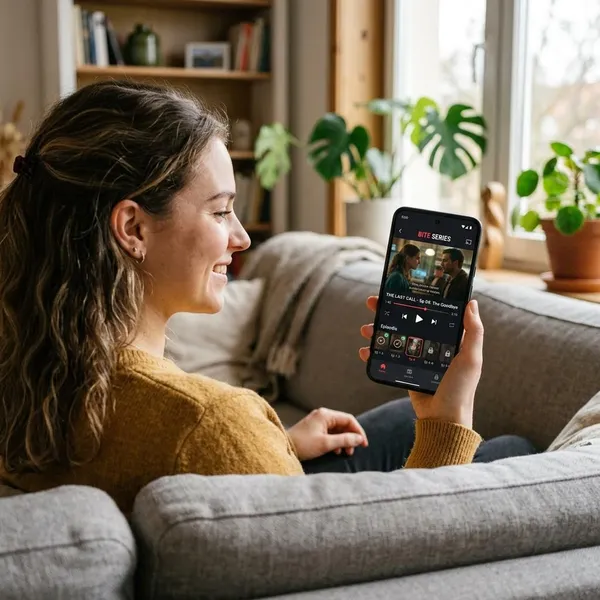
What Is Driving the Rise of Micro Short Dramas?
The micro short drama market is best understood as a mobile entertainment business built around very short serialized stories, not just short videos with actors. The strongest titles win because they are easy to start, emotionally obvious within seconds, and designed to make viewers tap into the next episode. For anyone watching, producing, investing, or advertising in this space, the first things to check are genre fit, cliffhanger strength, localization quality, and how the app turns attention into revenue.

What is the micro short drama market?
The micro short drama market covers the production, distribution, promotion, and monetization of short serialized dramas made mainly for smartphones. A typical episode may run from under a minute to a few minutes, while a full story can stretch across dozens of episodes.
The key difference from ordinary short video is continuity. Viewers are not just watching a funny scene or a single viral clip; they are following a romance, betrayal, revenge plot, secret identity, or survival conflict that keeps moving from episode to episode.
Mobile-first serialized dramas
Micro dramas are designed for phone behavior first. Scenes open quickly, faces are framed tightly, subtitles matter, and the story has to make sense even when someone is watching during a commute, lunch break, or a few spare minutes before bed.
Short episodes with continuing stories
Short episodes work because they reduce commitment while preserving the pull of a longer story. A viewer can watch one chapter quickly, but the unresolved relationship or conflict gives them a reason to return.
- For casual viewers: the format feels low effort because one episode does not require a long session.
- For heavy viewers: dozens of episodes can still create a binge-like experience.
- For platforms: every episode creates another point for ads, payments, recommendations, or retention tracking.
High-emotion stories built around cliffhangers
The format depends on emotion that is easy to understand fast: rejection, humiliation, forbidden attraction, sudden inheritance, public betrayal, or a secret finally exposed. Subtlety is usually less important than a clean emotional hook.
What genres drive the overseas micro drama market?
Overseas demand is led by genres that can be understood almost instantly from a title, thumbnail, or short ad. Romance dominates because it gives viewers clear stakes without much explanation, but the best-performing romance titles usually add power imbalance, danger, revenge, fantasy, or social pressure.
| Genre pattern | Why it travels well overseas | Best fit |
|---|---|---|
| Billionaire or CEO romance | Status gap, fantasy, and instant power tension | Viewers who like high-drama romance and web-novel-style plots |
| Werewolf or supernatural romance | Fated bonds, rejection, hierarchy, and heightened emotion | Fans of fantasy romance and repeatable trope worlds |
| Revenge or second chance | Clear injustice followed by comeback satisfaction | Viewers who want emotional payback, not just romance |
| Mafia or forbidden romance | Danger, secrecy, loyalty, and moral tension | Audiences drawn to darker, higher-risk relationship drama |
| Sports or campus romance | Younger settings, rivalry, first love, and identity pressure | Gen Z and younger viewers who prefer less fantasy-heavy stories |
Which overseas micro dramas are attracting viewers?
Popular overseas micro dramas usually have one thing in common: the premise is clear before the viewer has invested much time. The title, opening conflict, and first few episodes all have to work together because many viewers arrive from short social ads, not from patient browsing.

American Sniper: The Last Round
American Sniper: The Last Round points to a more action-driven side of the market. It stands apart from romance-heavy catalogs by using danger, mission stakes, sacrifice, and redemption as the main hook.
Action micro dramas are harder to execute on a small budget because the audience expects movement and tension. When the trailer communicates the conflict clearly, though, this type of title can attract viewers who would skip CEO or werewolf romance entirely.
You've Been Replaced, First Love
You've Been Replaced, First Love uses a direct emotional trigger: someone from the past has been replaced, but the old feelings are not fully settled. That kind of regret is easy to understand across markets.
The appeal is strongest for viewers who prefer emotional confrontation over world-building. A glance, a recognition scene, or a painful misunderstanding can carry an episode without needing a complex setting.
Mistaken as His Mate: The Luna's Regret
Mistaken as His Mate: The Luna's Regret is built for viewers already familiar with supernatural romance language. "Mate," "Luna," and "regret" all signal the emotional package before the first episode starts.
That direct naming can look blunt, but it serves a purpose in crowded app libraries. The reader does not have to guess whether the story contains fated bonds, status conflict, or rejection. The title does part of the conversion work.
The Seduction Game
The Seduction Game fits a strategy-romance lane where attraction is mixed with manipulation, hidden motives, or emotional reversal. The drama comes from not knowing who is really in control.
This setup is efficient for short episodes because a single conversation can change the balance. A confession, trap, or unexpected vulnerability can become a strong episode endpoint without needing a large production shift.
The Imperfect Marriage
The Imperfect Marriage reflects the appeal of damaged commitment. Marriage stories begin with a built-in bond, so the conflict can move quickly into secrets, betrayal, public pressure, family duty, or repair.
This type of title often suits adult viewers who want romance with heavier emotional stakes than campus love. The practical hook is not simply "will they get together," but whether a relationship that already exists can survive what has been hidden.
Why are overseas micro dramas growing so fast?
Overseas growth comes from several forces meeting at the same time: phone-first viewing habits, social ad discovery, fast emotional storytelling, and payment models that ask for small decisions rather than one large commitment. China proved the format could scale, and international platforms are now adapting the playbook with local casting, dubbing, subtitles, and remakes.
Easy mobile viewing
Easy mobile viewing is the simplest growth driver. A viewer can start a story while waiting for a ride, taking a break, or scrolling at night without deciding to "watch a show" in the traditional sense.
That low barrier matters. Long-form streaming asks for time, mood, and attention. Micro dramas ask for a minute, then earn the next minute through tension.
Fast emotional payoff
Fast emotional payoff gives overseas micro dramas an advantage in social feeds. A betrayal, rejection, forced marriage, or reveal can appear almost immediately, which makes the promotional clip feel like part of the real story instead of a vague teaser.
For new viewers, this is the difference between sampling and leaving. If the first scene only explains background, the format loses its biggest strength.
Frequent cliffhangers
Cliffhangers are the habit loop. The episode ends just before the answer, and the next action is already in the viewer's hand: tap, watch an ad, unlock, or subscribe.
- Good cliffhanger: reveals new information or forces a choice.
- Weak cliffhanger: stops randomly without changing the stakes.
- Overused cliffhanger: delays resolution so often that viewers feel tricked.
Familiar romance tropes
Familiar tropes reduce the work needed to start watching. Enemies-to-lovers, rejected mate, secret baby, fake marriage, cold CEO, and revenge ex stories all carry built-in expectations.
This does not mean every title can be a copy. Viewers may enjoy the same emotional shape, but they still need a fresh reason to care: sharper casting, better pacing, a stronger reversal, or a more satisfying payoff.
Faster localization
Faster localization helps platforms test overseas audiences without waiting through long traditional development cycles. A company can subtitle, dub, adapt, or remake a proven premise, then use ad data and early watch behavior to decide whether to scale it.
There is a clear difference between quick localization and careless localization. If the dialogue sounds translated, the setting feels mismatched, or the actors' performances do not fit the emotional tone, viewers may drop the title even if the trope is popular.
How do overseas micro dramas make money?
Overseas micro dramas usually make money through a mix of episode unlocks, subscriptions, advertising, and hybrid access. The strongest model depends on user behavior: some viewers will pay to skip friction, while others will watch ads if that keeps the story free.
The main commercial lesson is that monetization has to match the story rhythm. Payment works best after a real emotional peak, not after a random episode break. If a platform asks too early, users feel blocked; if it waits too long, it may lose the moment when curiosity is strongest.
Episode unlocks
Episode unlocks let viewers start free and then pay to continue after the hook is established. This model fits micro dramas because the story naturally creates many small "what happens next?" moments.
It works best for highly serialized titles with strong cliffhangers. For a slow or episodic story, unlocks can feel forced because the viewer does not feel enough urgency to pay.
Subscriptions
Subscriptions suit viewers who watch many episodes or jump between several titles. Instead of paying chapter by chapter, they pay for smoother access to a larger library.
The risk is library depth. A subscription is harder to justify if the app has one strong title and many weak fillers. Platforms need enough appealing genres, new releases, and completed stories to make recurring payment feel worthwhile.
Advertising
Advertising supports both discovery and viewing. Platforms often use social ads to bring users in, then offer rewarded ads, interstitial ads, or free ad-supported episodes inside the app.
- Good fit: casual viewers who are curious but not ready to pay.
- Bad fit: moments of high emotional tension where too many ads break the story.
- Brand opportunity: beauty, shopping, personal care, and lifestyle products can fit naturally if placement does not interrupt the drama.
Hybrid free and paid viewing
Hybrid free and paid viewing is often the most practical overseas model because payment habits vary so much by region and audience. A casual viewer might watch ads for access, while a heavy viewer may pay to avoid interruptions.
For platforms expanding internationally, this flexibility matters more than copying one fixed model. A high-spending market can support stronger paid unlocks, while a more cautious market may need longer free sampling and ad-supported paths before users trust the app.
Conclusion
The micro short drama market is growing because it turns simple, high-emotion stories into a phone-native habit. The most promising titles are not just short; they are easy to understand, sharply paced, locally believable, and monetized at the moment curiosity is highest. If a drama has a clear trope, a strong first hook, and a payment model that does not punish new viewers too early, it has a much better chance of working overseas.